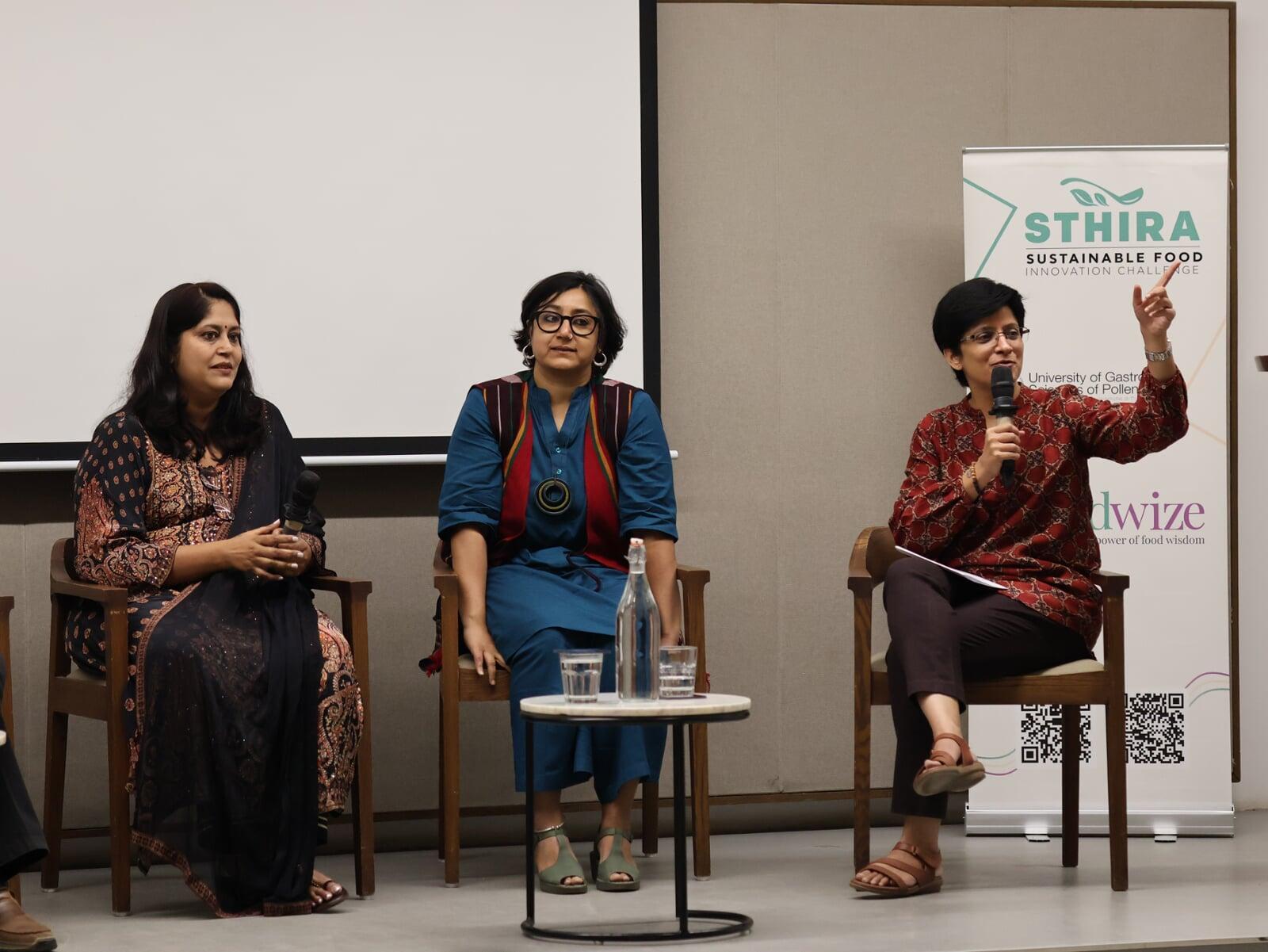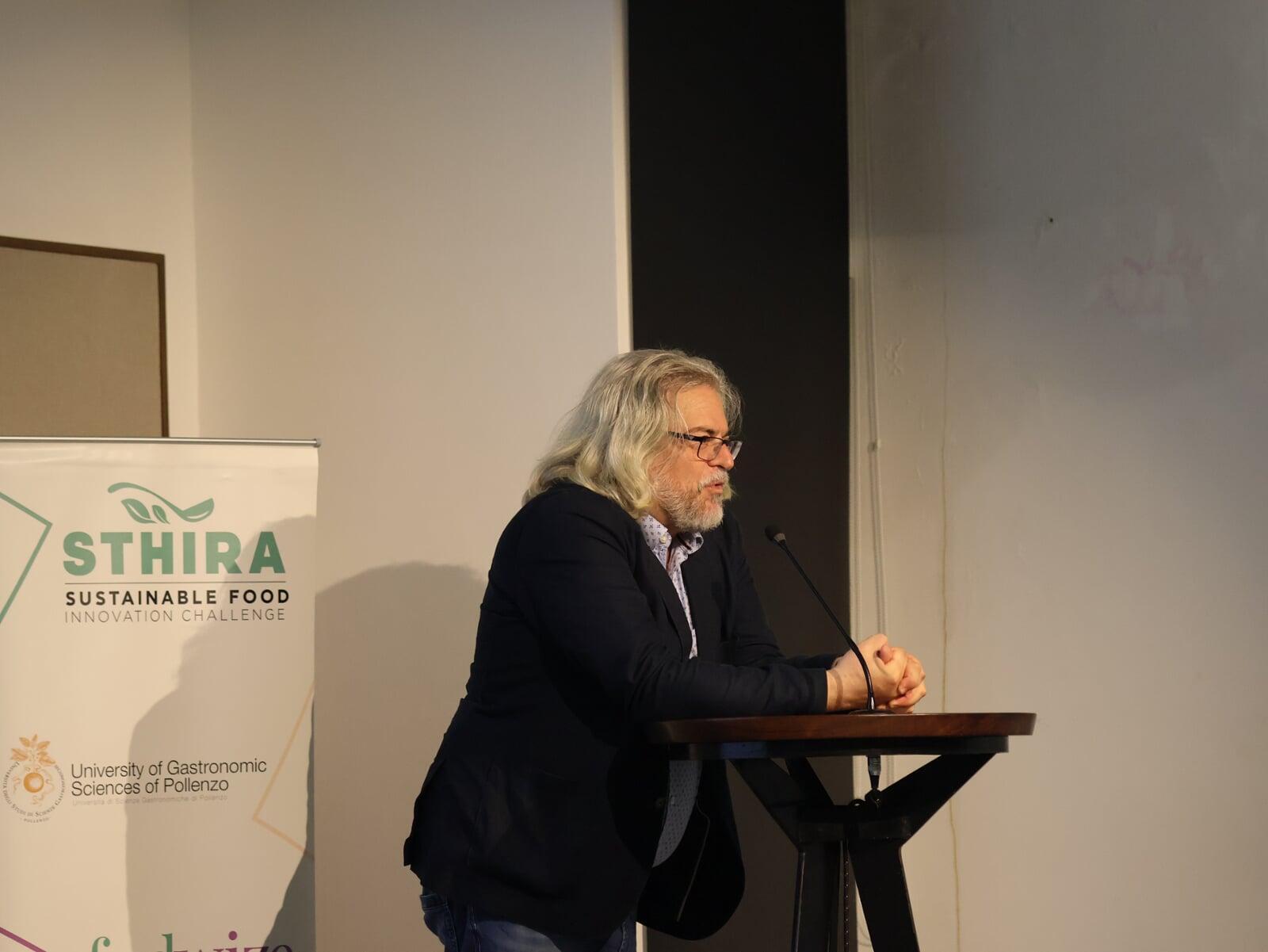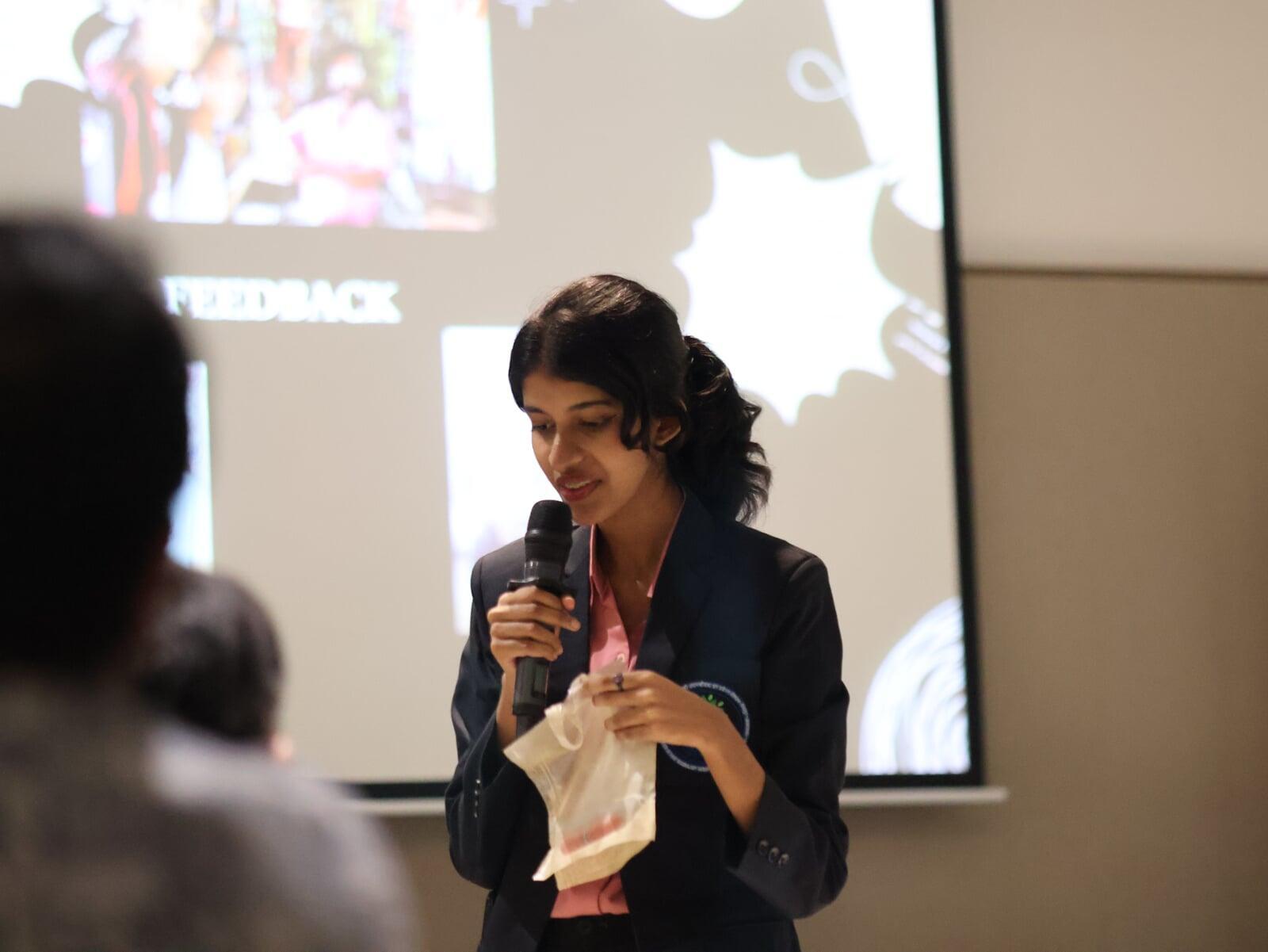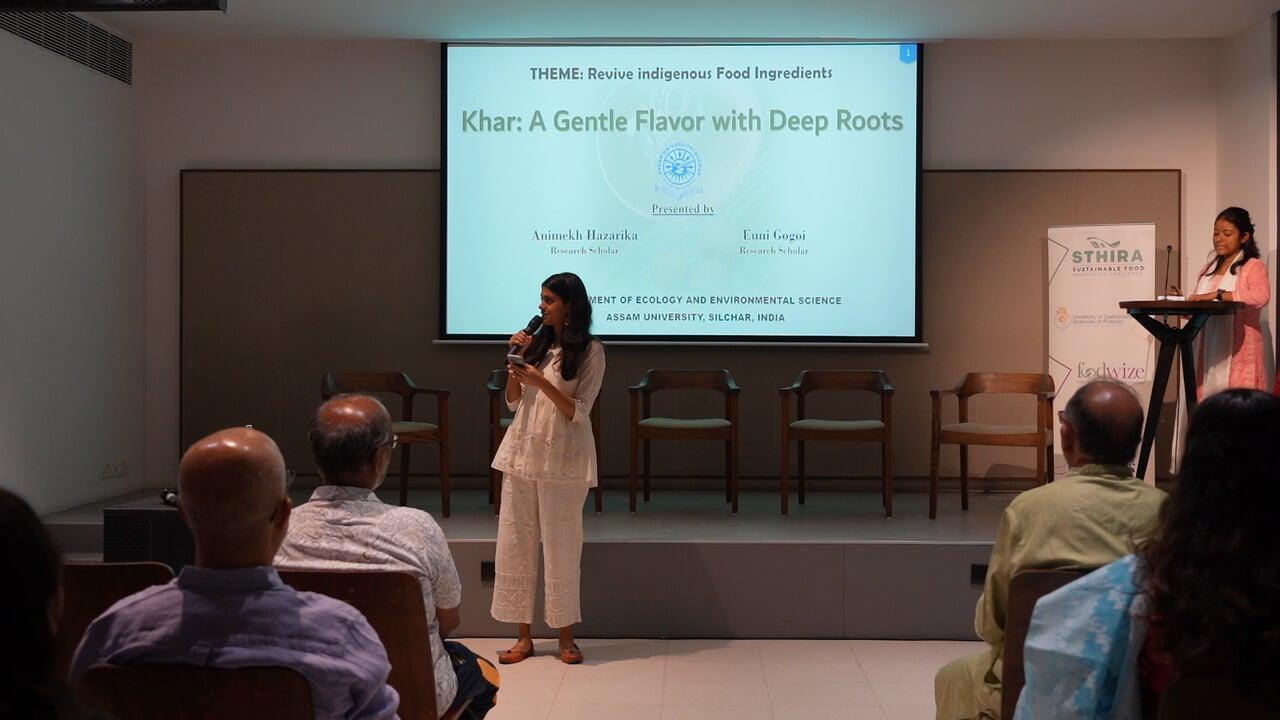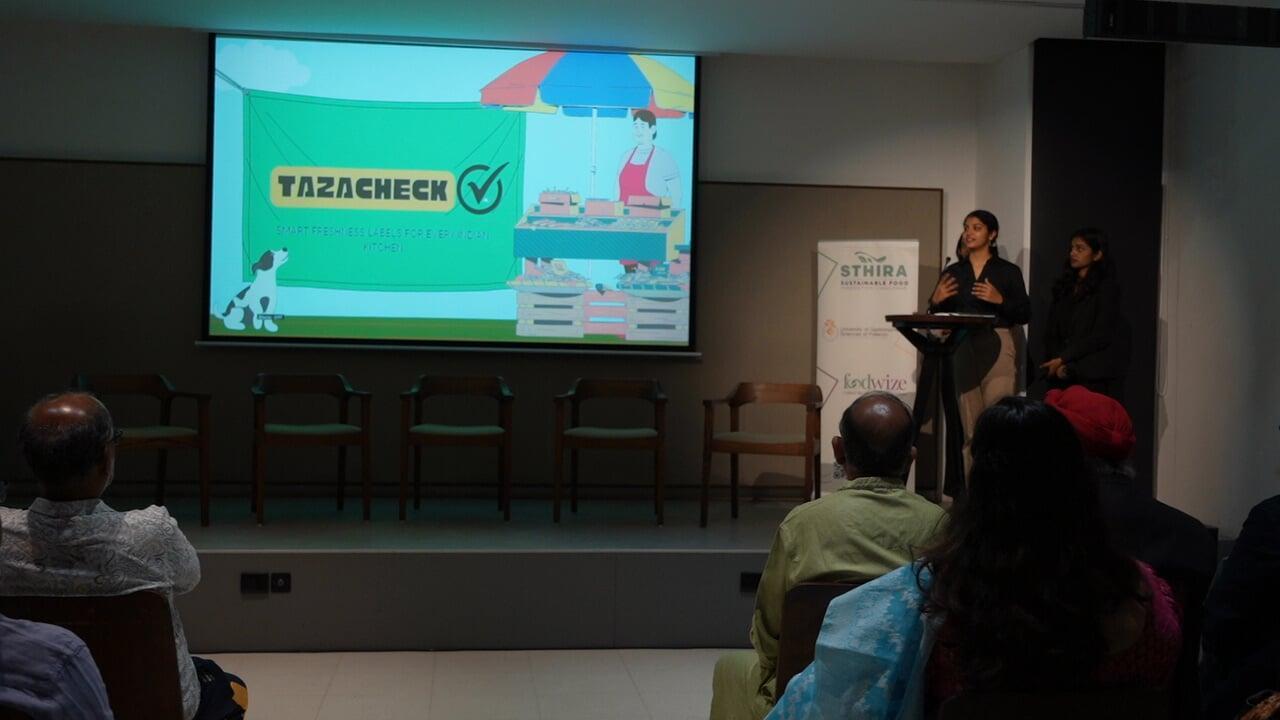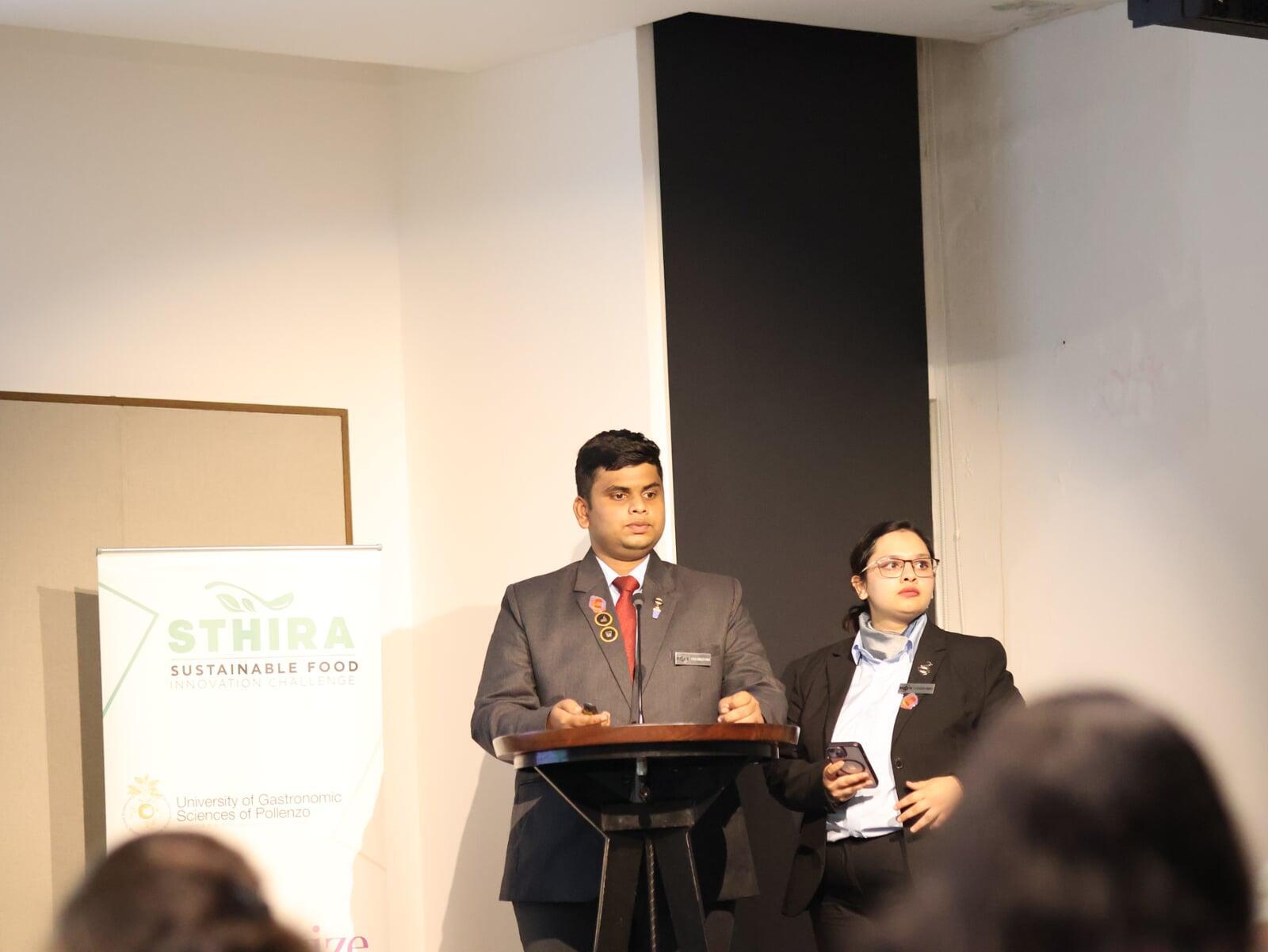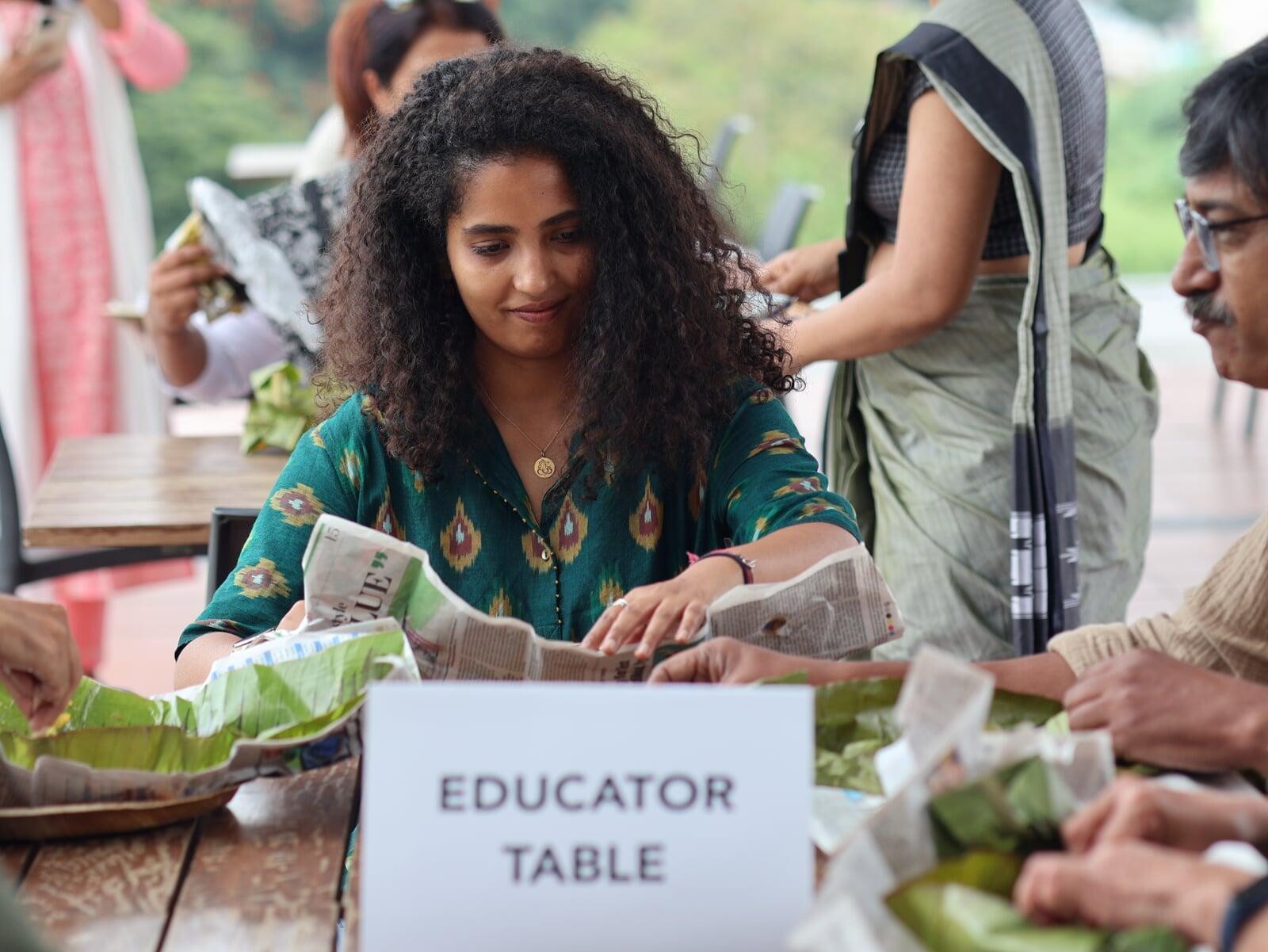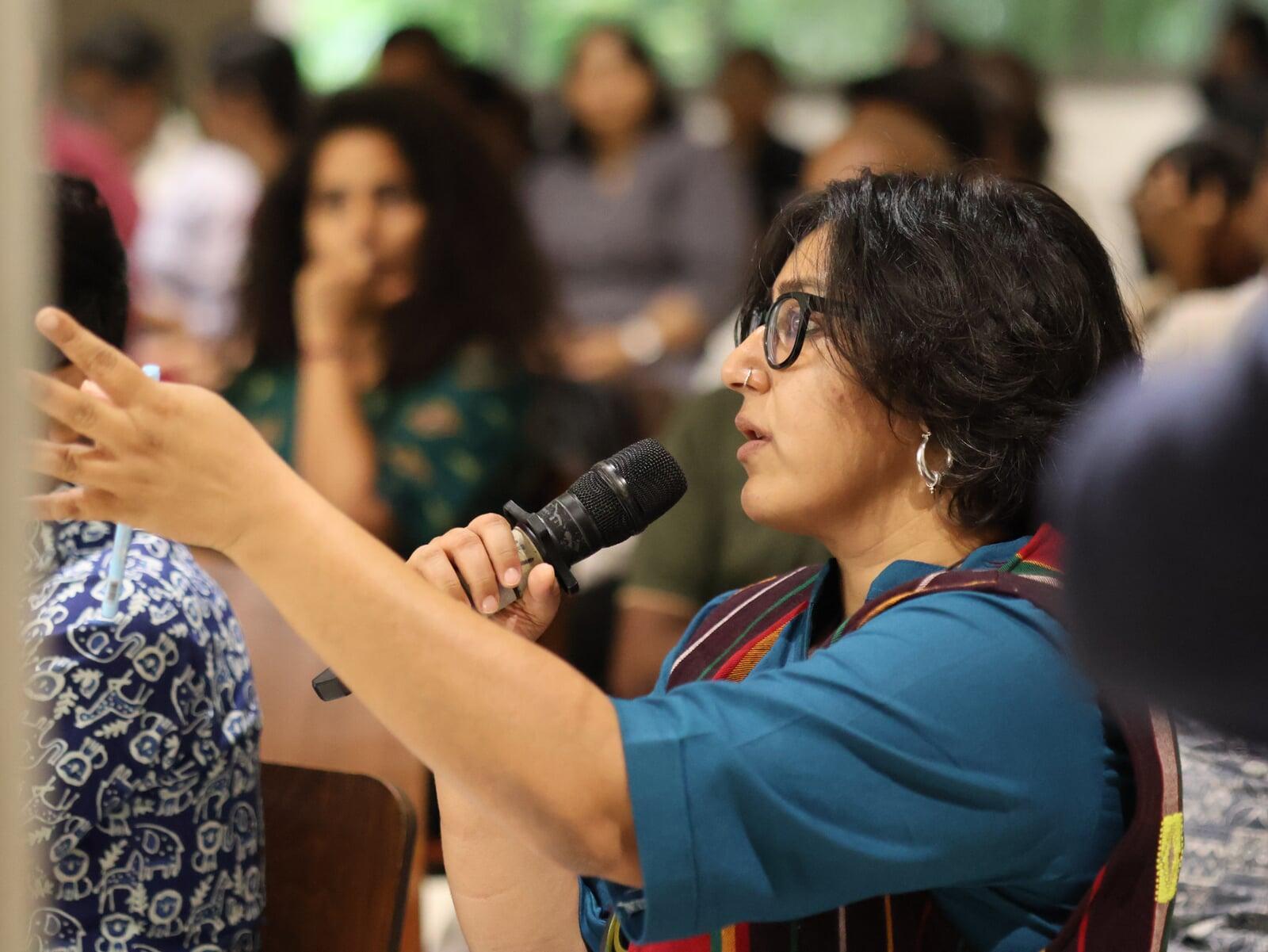
On 13th September 2025, we concluded the 2nd edition of STHIRA, with the final 10 teams presenting their innovative solutions and prototypes. The students didn’t just pitch ideas—they tackled the biggest questions shaping our food systems today, from climate resilience to cultural revival. Working across six powerful themes, students presented bold, interdisciplinary solutions: reviving indigenous ingredients, building local and equitable food systems, reducing waste, rethinking urban food futures, using creative practice to shift food culture, and reconnecting human intuition with food in a digital world. From business models and tech-enabled solutions to storytelling and community-led interventions, their ideas reflected one thing clearly—the future of food is local, sustainable, and deeply human.
If you would like to see the top 10 ideas published in our e-book, contact us here.
Accolades and Awards
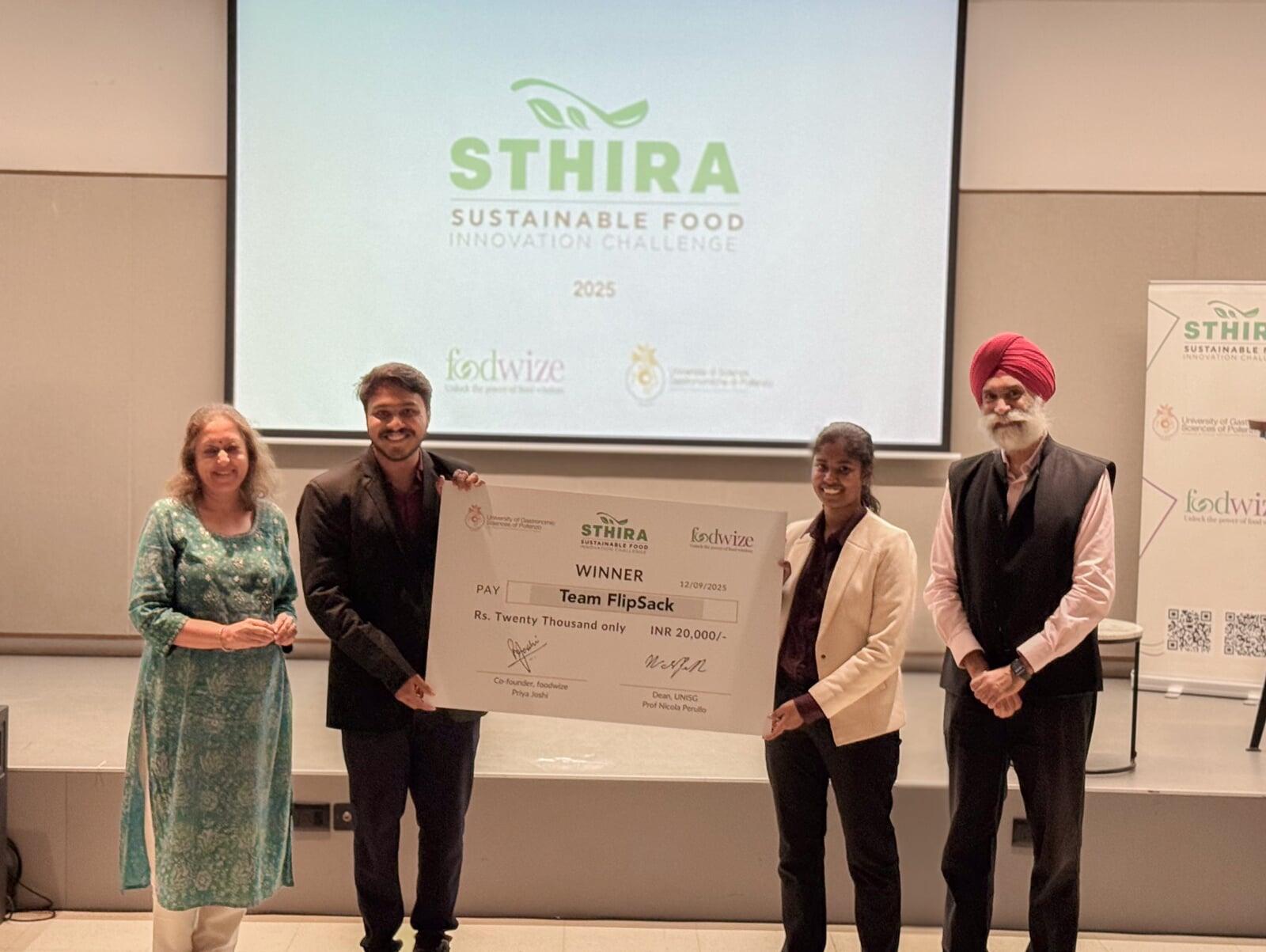
Winner
Aakriti, Lovely Professional University, Phagwara
Their solution tackles post-harvest losses during the monsoon by redesigning how vegetables are stored and moved. A modular rain-shielded jute sack that prevents potato sprouting and a smart ventilation crate for tomatoes with angle louvers that block rain while enabling uniform airflow.
Winner
Aakriti, Lovely Professional University, Phagwara
Their solution tackles post-harvest losses during the monsoon by redesigning how vegetables are stored and moved. A modular rain-shielded jute sack that prevents potato sprouting and a smart ventilation crate for tomatoes with angle louvers that block rain while enabling uniform airflow.
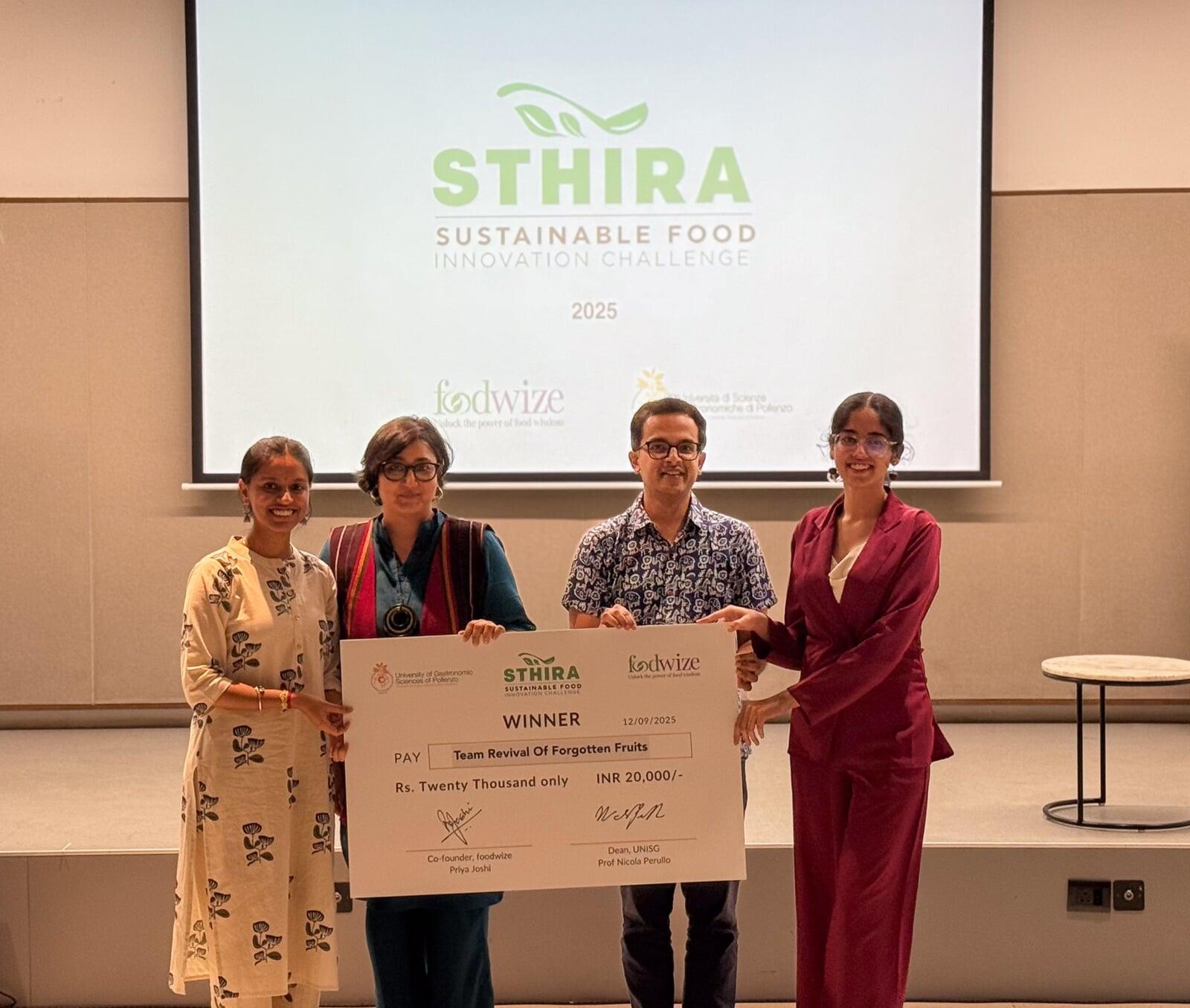
Winner
Revival of Forgotten Fruits, The University of Trans-Disciplinary Health
Sciences and Technology (TDU), BangaloreTheir solution creates functional snacks using indigenous wild fruits, bringing nutrient rich but forgotten ingredients back into everyday diets. By combining food science, Ayurveda, and chef driven recipe, the project creates a scalable model to combat nutrient deficiencies.
Winner
Revival of Forgotten Fruits, The University of Trans-Disciplinary Health
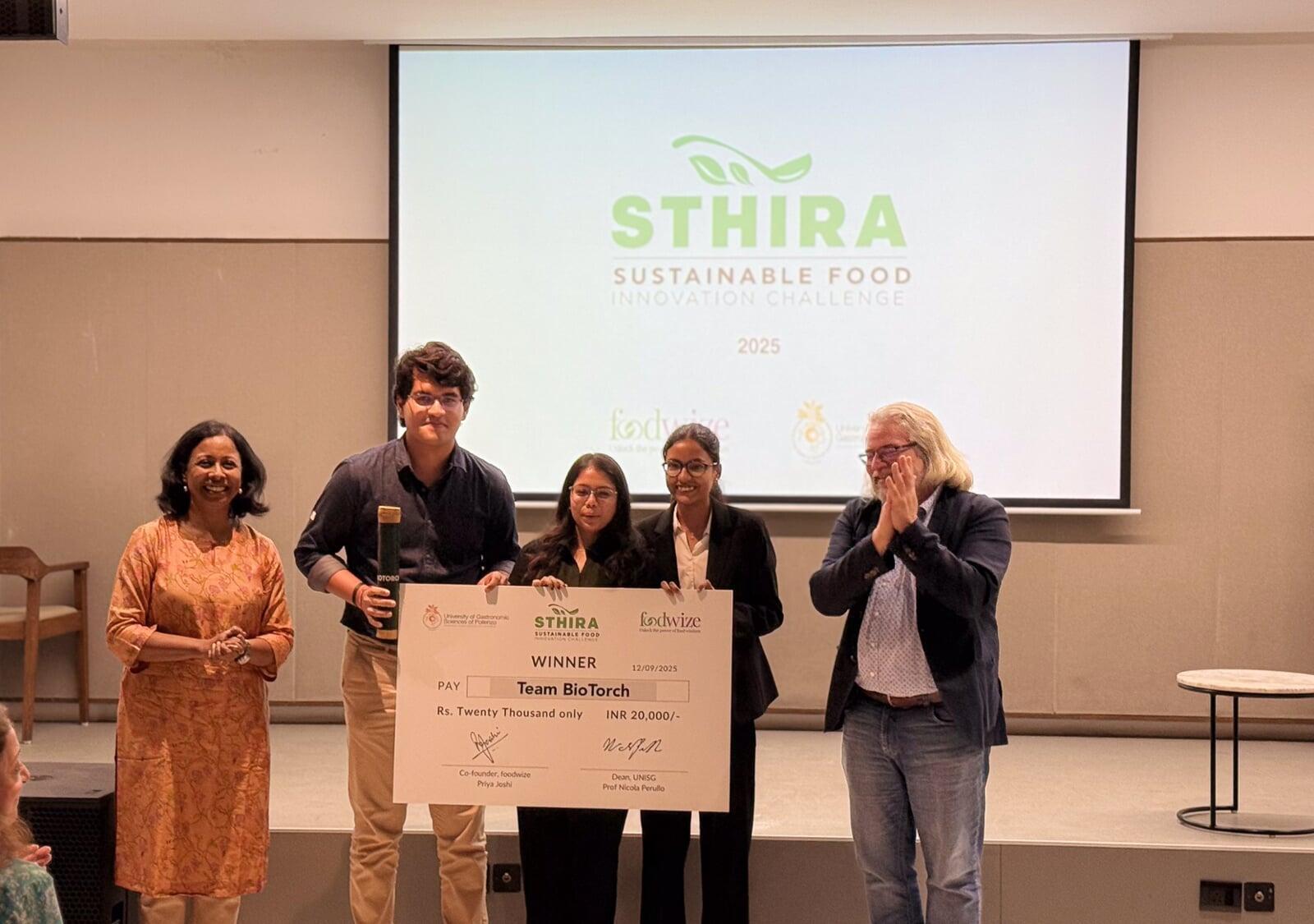
Winner
Biotorch, XIM Bhubaneshwar University
BioTorch addresses the problem of food waste by transforming everyday kitchen scraps into usable energy through a simple Microbial Fuel Cell System. The bamboo-encased, low-tech design is affordable and replicable across homes, school kitchens and street food vendors, encouraging a shift from disposal to circular thinking. BioTorch reframes waste as a household resource, not a liability.
Winner
Biotorch, XIM Bhubaneshwar University
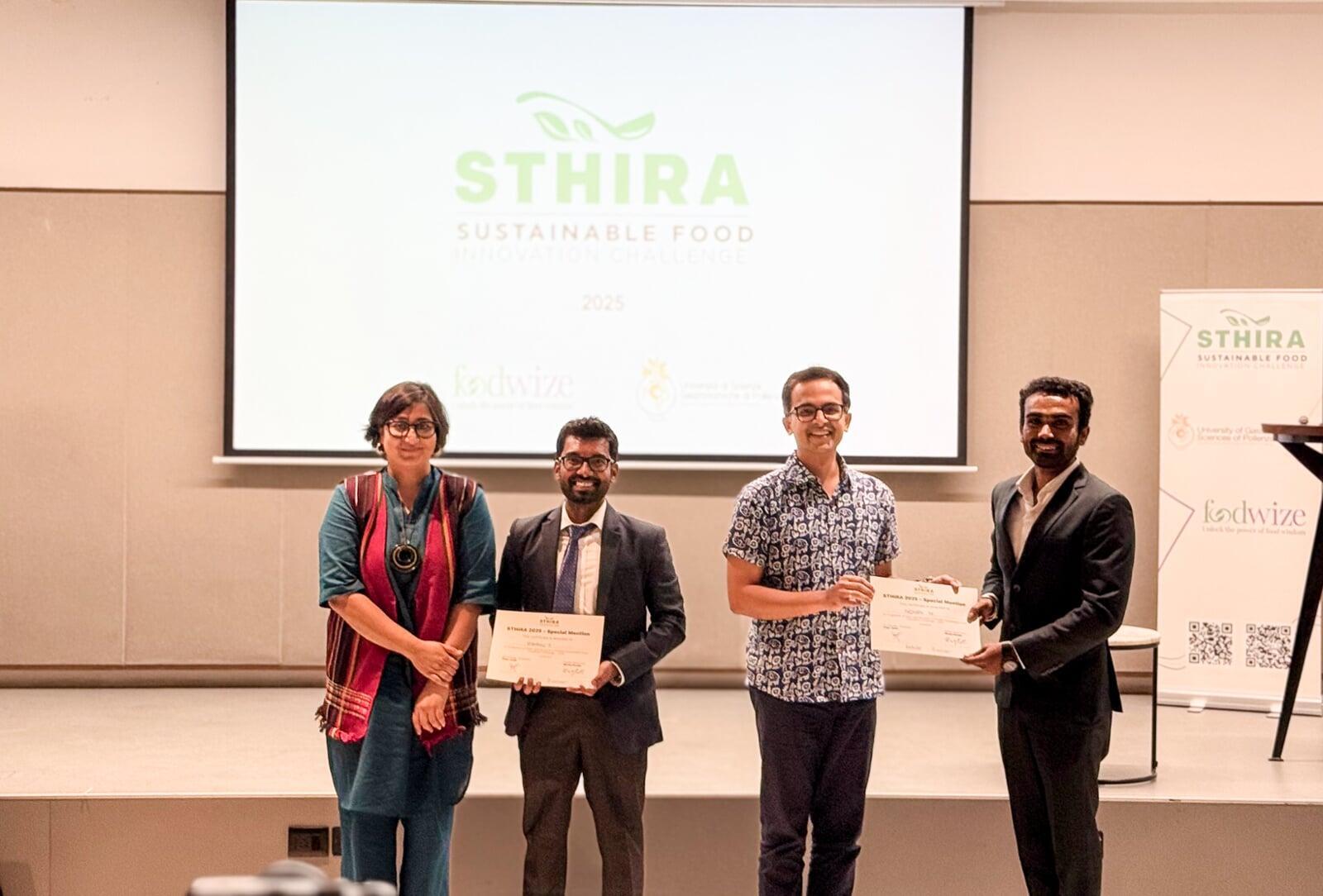
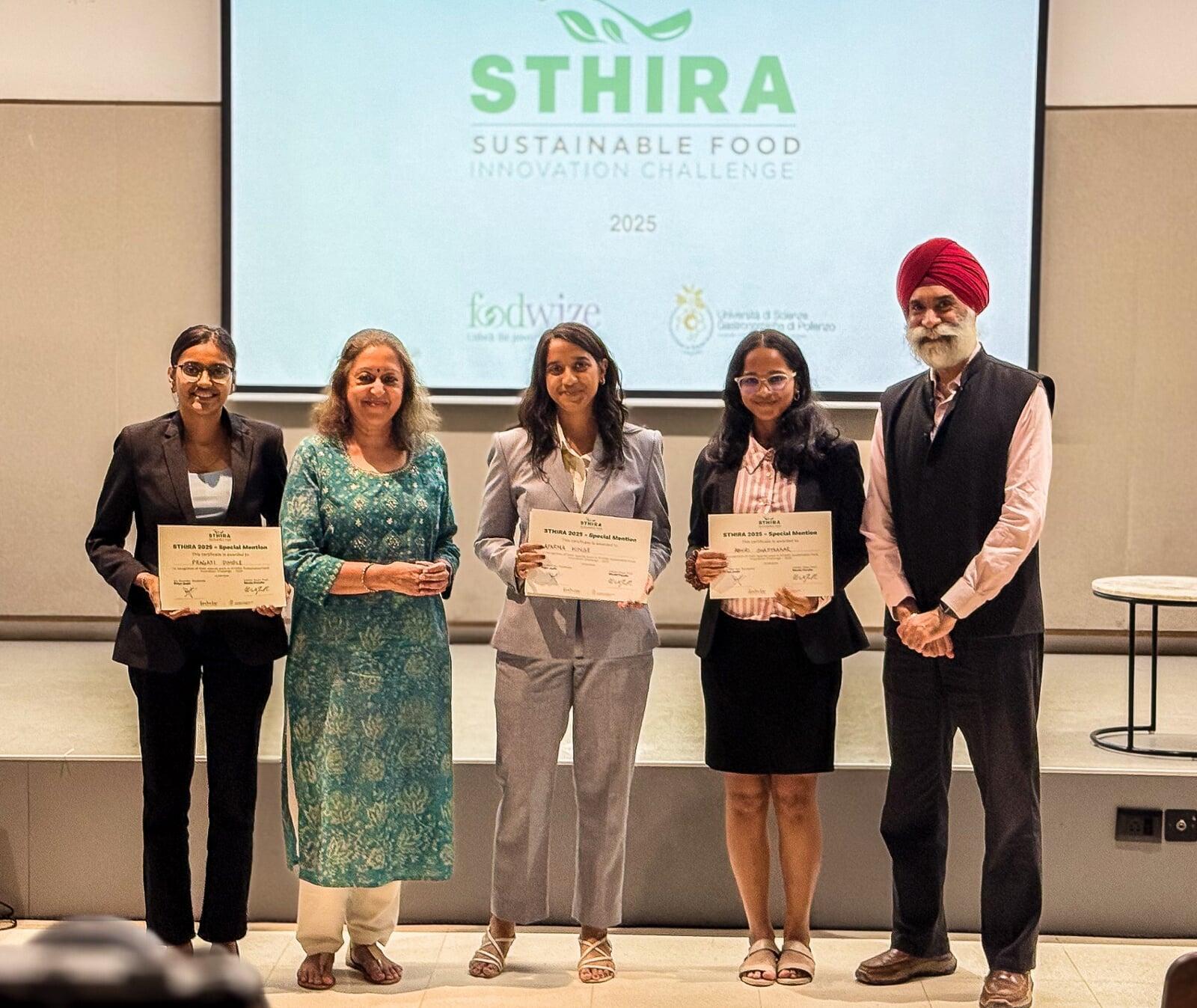
Special Mention
Ambara Krishi, Alliance University, Bangalore
Transforms under used urban rooftops into edible gardens using lightweight growing modular farming kits. It empowers communities to take part in food production while integrating agriculture into urban architecture to strengthen environmental health, build self-reliance and make sustainable diets more accessible.
Special Mention
Ambara Krishi, Alliance University, Bangalore
Special Mention
Grow Moto, Dr. Bhanuben Nanavati College of Architecture, Pune
Addresses urban challenges by up-cycling scrap automobiles into modular urban farms equipped for hydroponics, composting and solar-powered irrigation. It offers a mobile, replicable solution for growing fresh produce in dense urban environments
Special Mention
Grow Moto, Dr. Bhanuben Nanavati College of Architecture, Pune
Addresses urban challenges by up-cycling scrap automobiles into modular urban farms equipped for hydroponics, composting and solar-powered irrigation. It offers a mobile, replicable solution for growing fresh produce in dense urban environments
Themes for the STHIRA 2025
Why these themes?
These themes represent some of the most pressing problems currently afflicting our food ecosystem. We need the best and brightest minds to create innovative solutions to address these problems. Irrespective of what discipline you are studying, there is a area for you to focus on. Teams participating in the challenge need to select one theme to work on. You have also been provided with areas of exploration as a staring point. Click here to know more about how your innovative ideas and solutions will be evaluated.

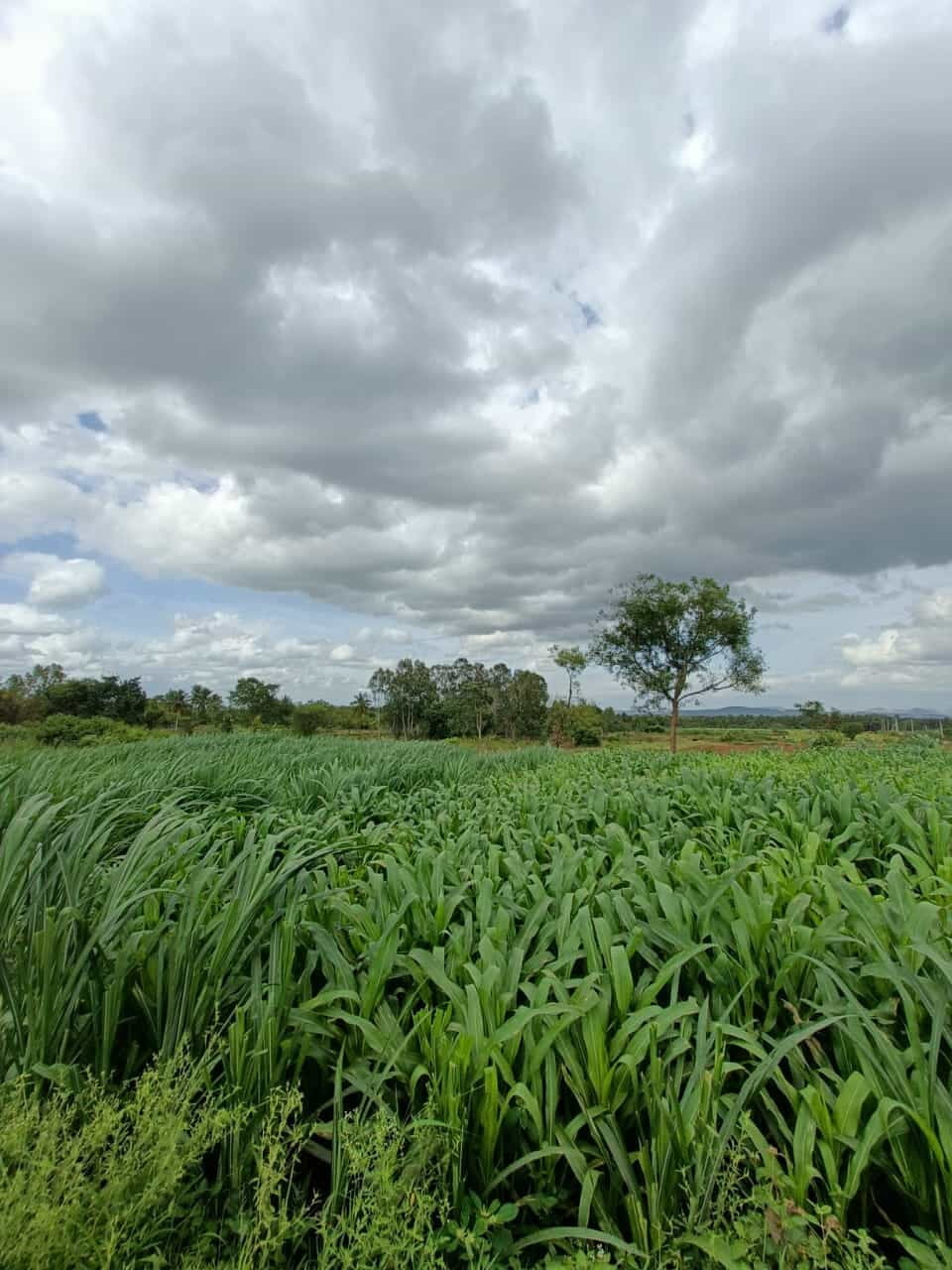
1.Revive Indigenous food ingredients
Reviving indigenous ingredients for a resilient food future
Food indigenity is deeply rooted in the preservation and revitalisation of indigenous ingredients—plants, grains, spices and flavours that have sustained communities for generations. These ingredients are not just food; they embody cultural heritage, ecological wisdom, and biodiversity, reflecting centuries of adaptation to specific climates and landscapes. Honouring indigenous ingredients means recognising their nutritional, medicinal and ecological significance while ensuring their continued cultivation, use and appreciation in contemporary food systems.
However, modern and industrialised agriculture have led to the decline of many indigenous ingredients, replacing them with commercial monocultures and processed foods. As supply chains prioritise high-yield, market-driven crops, native plant varieties and traditional knowledge surrounding their cultivation and preparation face erasure. This loss extends beyond biodiversity—when indigenous ingredients disappear, communities lose vital links to their history, identity, and ecological resilience. Younger generations grow disconnected from these foods, unaware of their deep cultural and environmental importance.
Reclaiming and integrating indigenous ingredients into modern food systems is an urgent necessity. Innovation can play a crucial role in reviving their relevance—whether through regenerative farming practices, community-led seed saving, or new culinary applications that make these ingredients accessible and desirable. By fostering respect for tradition while embracing contemporary food challenges, we can ensure that indigenous ingredients remain central to sustainable and regenerative food systems.
Participants may explore the following and beyond
- How can we document, revive and reintroduce indigenous ingredients into local and global food systems while ensuring ethical and ecological sustainability?
- What innovative culinary approaches can enhance the appeal and accessibility of indigenous ingredients, preserving traditional flavours while adapting them to modern lifestyles?
- How can indigenous food knowledge and biodiversity conservation be integrated into contemporary agriculture, supply chains and markets to prevent further loss of heritage crops?
- What role can chefs, farmers and food entrepreneurs play in revitalising the cultural and economic value of indigenous ingredients in a way that respects their origins and communities?
2.Localise food systems
Building local & inclusive food systems for all
Localising food systems calls for a fundamental shift in how we grow, distribute, and consume food. Our food system today is fraught with financial and social inequities and often small scale farmers and local food traditions are marginalised. Localising food systems involves reclaiming agency for communities, ensuring equitable access to land, seeds and markets and empowering local food growers and consumers to make decisions that prioritise ecological health and cultural identity. It also demands transparency, ethical governance and participatory processes.
At the individual level, it invites a critical reflection on how economic, political and cultural systems influence daily food decisions, often disconnecting people from the sources of their nourishment and perpetuating over-dependence on industrialised systems.
Localising food systems involves creating systems where smallholder farmers, local food producers and consumers have equal voices and access to resources. Localisation also advocates diverse food cultures and equitable distribution, ensuring everyone can access nutritious and culturally appropriate food.
Together, these processes demand creativity, systemic thinking, and bold innovation. By fostering cooperation among communities, governments, businesses and grassroots organisations, we can envision food systems that prioritise ecological resilience, social justice and cultural integrity.
Participants may explore the following and beyond
- How can local communities & small-scale producers have more participation in food production and distribution?
- What strategies can address financial inequalities that limit access to land, resources and sustainable practices for small farmers?
- How can we construct daily food practices, reconnecting individuals with local, sustainable and culturally significant foodways?
- What role can education and awareness play in promoting consumer empowerment in building equitable food systems?
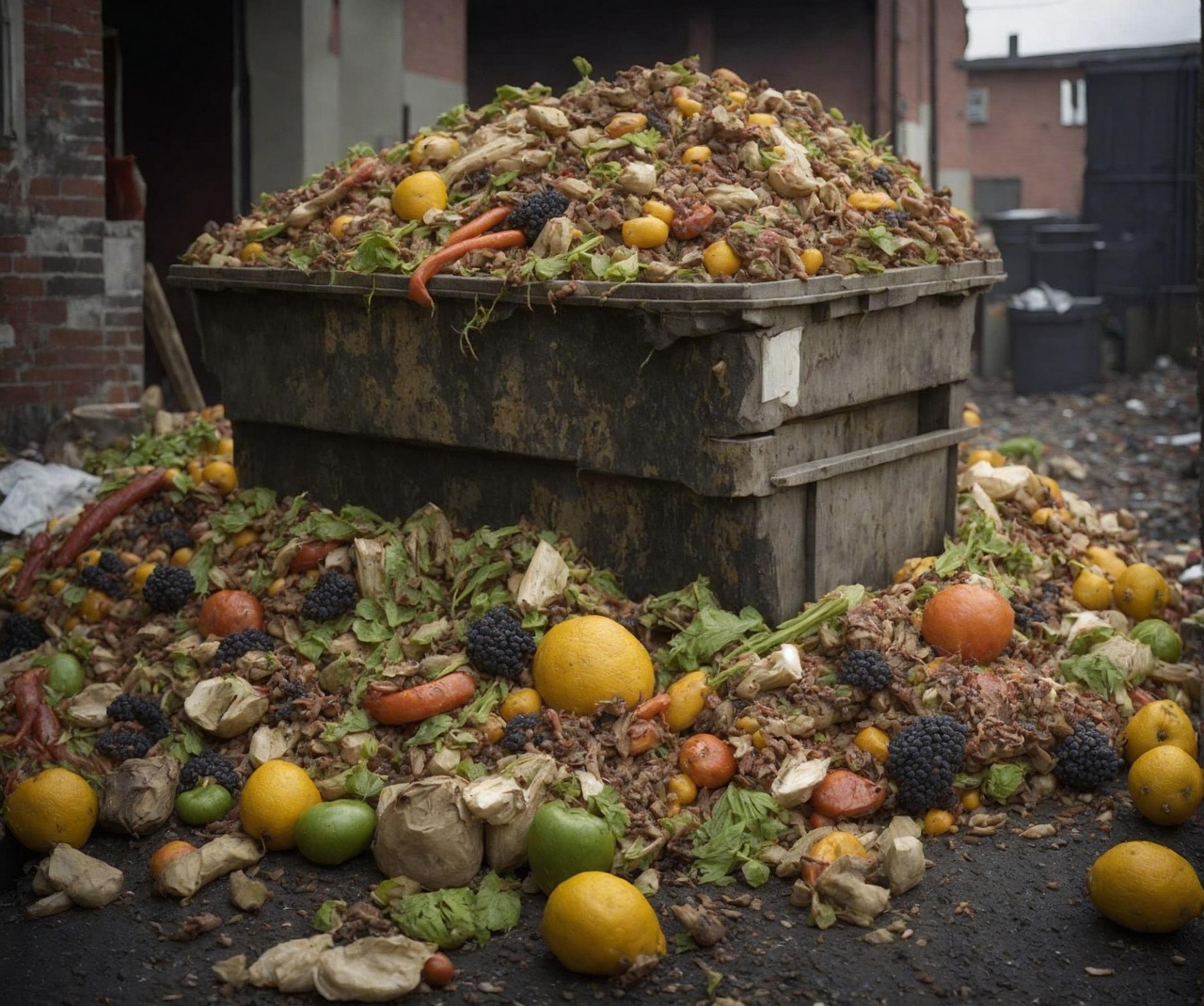
3. Reduce food waste
Redesigning food systems to eliminate waste & maximise value
3. Reduce food waste
Food production and waste lie at the heart of global challenges surrounding sustainability, food security and environmental health. Food waste is not merely a logistical issue; it reflects a deeper disconnect in how we value food, labor and natural resources. Ironically, while billions go hungry, a third of the world's food is wasted—highlighting the inefficiencies and inequities in the current system.
Tackling food waste necessitates rethinking every stage of the food chain, from reducing harvest and post-harvest losses to reshaping consumer behaviour and redistributing surplus food. Food waste is also a result of a changed contemporary consumer behaviour of ordering food over cooking, which creates not only food waste but also packaging waste.
By embracing a systemic perspective, this theme challenges participants to design solutions that integrate ecological health, environmental justice, and economic resilience. Innovations could explore how to balance the needs of growing populations with sustainable practices, minimise waste across supply chains, and promote a cultural shift in valuing food. This is an opportunity to reimagine food production and waste systems as interconnected cycles of renewal and abundance, rather than extractive and linear processes
Participants may explore these areas and more
- What strategies can reduce food waste in supply chains, particularly in production, storage and distribution stages?
- How can surplus food systems be redesigned to bridge the gap between food waste and hunger?
- How can consumer behaviour shift to value food more responsibly and reduce waste?
- What innovations can prevent waste from food delivery and ordering systems altogether, while maintaining convenience and encouraging consumers to value cooking and eating healthy?
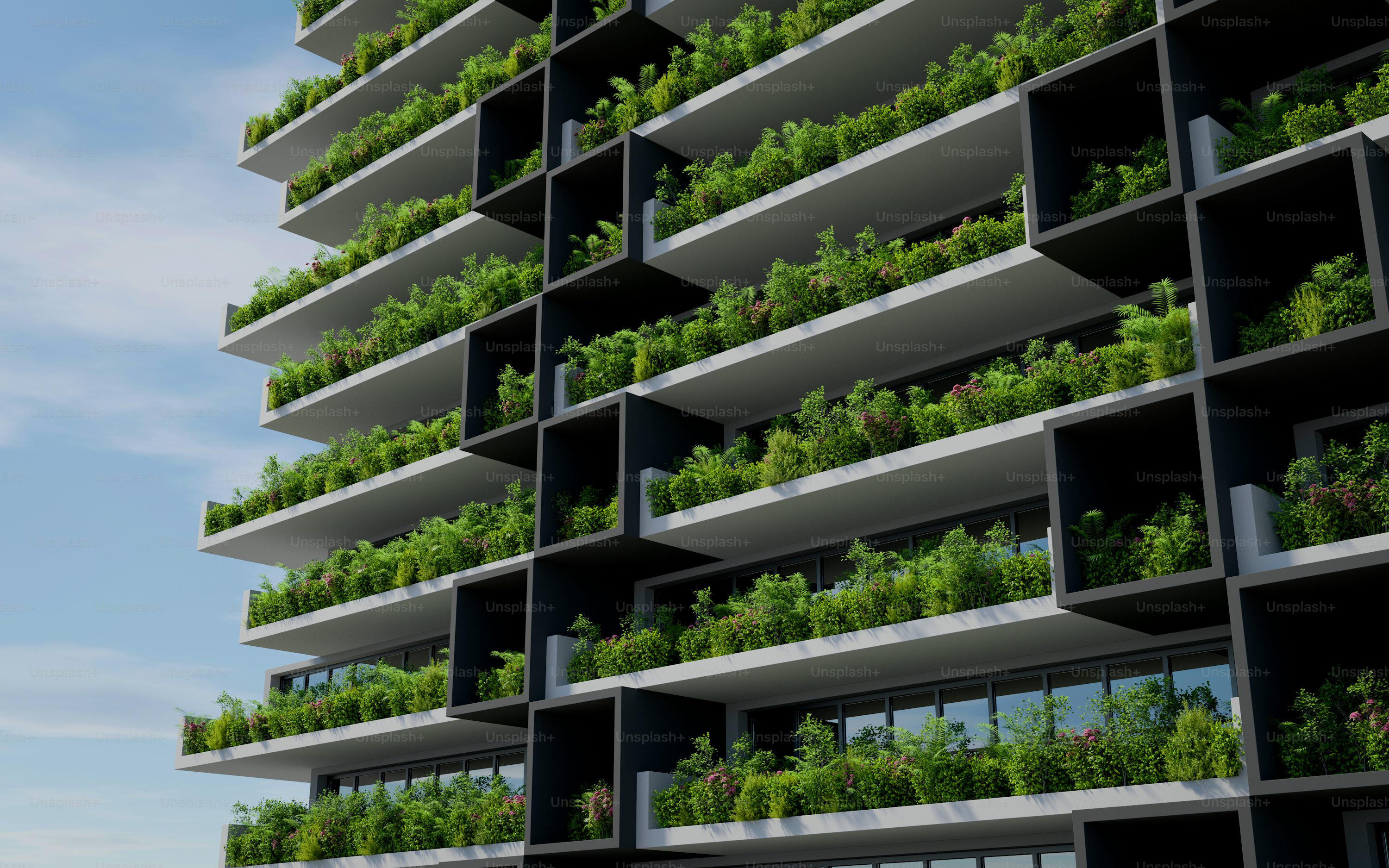
4. Shape Urban food futures
Resilient Cities Nourishing People Through Sustainable Food Systems
Urban food futures envision cities as thriving ecosystems where food production, distribution and consumption are seamlessly integrated into urban life. As cities expand, they present both challenges and opportunities for creating sustainable food systems. This theme explores innovative strategies to address the unique demands of urban populations while ensuring food security, ecological sustainability and social equity.
The rise of urbanisation has strained traditional food systems, contributing to issues such as food deserts, reliance on long supply chains and environmental degradation. Historical disconnects between cities and their surrounding agricultural regions have led to over-reliance on industrialised food systems, resulting in waste, loss of biodiversity and rising greenhouse gas emissions. However, urban environments can also serve as hubs of innovation, where technology, creativity and collaboration converge to reimagine food systems.
Urban food futures demand a blend of innovation and resilience. Vertical farming, rooftop gardens and hydroponic systems can bring food production closer to consumers, reducing transportation impacts. Community-supported agriculture and farmers' markets can bridge the urban-rural divide, fostering relationships between producers and consumers. Smart technologies, from AI-driven supply chain optimisation to food waste tracking, can streamline urban food systems while minimising waste. Cities can also leverage policy frameworks to promote equitable access to nutritious food, incentivise local production and support community-driven initiatives.
By rethinking food systems within cities, urban food futures offer a blueprint for resilience. They transform urban landscapes into spaces that nourish people while restoring ecological balance, promoting inclusivity and building a regenerative relationship with nature.
Participants may explore the following and beyond
How can urban food systems integrate vertical farming, rooftop gardens, or community farms to increase local food production sustainably?
What innovative models can address food deserts and ensure equitable access to fresh, nutritious food in urban areas?
How can cities create policies that support local food economies and promote urban-rural collaboration?
How can large-scale urban infrastructure projects, such as transit hubs and housing complexes, incorporate food systems to contribute to urban resilience and food sovereignty?
How can existing urban green spaces be reimagined as productive food spaces to balance ecological, recreational and nutritional needs?
How can architecture, landscape design, urban planning and real estate development integrate food production into cityscapes while enhancing sustainability and community engagement?

5.Reimagining food systems through creative practice. Creative expressions reshaping food systems
Art has the unique ability to inspire, provoke, and transform, making it a powerful medium for addressing the complexities of modern food systems. By integrating art with food systems, we can tap into its potential to reimagine food culture, challenge the status quo and foster innovative solutions to ecological and social challenges. Art serves as a bridge between the tangible and intangible, allowing us to explore the interconnectedness of food with culture, identity and the environment. Whether through storytelling, visual arts, performance, or digital media and so on, creative practice offers fresh perspectives on food systems while making complex issues accessible and engaging.
Historically, food has been central to artistic expression, reflecting societal values, traditions and ecological relationships. The disconnection between food producers and consumers has created a void in cultural understanding and ecological mindfulness. By reimagining food systems through art, we can address this disconnect—reviving lost traditions, celebrating biodiversity and envisioning new pathways toward sustainability. Art can also inspire dialogue and collective action, empowering communities to reclaim agency over their food systems.
Creative practices can catalyse transformative change by integrating aesthetic sensibilities with systems thinking. Public art installations can spark conversations about food waste; theatre and storytelling can bring indigenous food knowledge to life; participatory design can transform urban spaces into foodscapes; and digital media can amplify underrepresented voices in the food system. By fostering collaboration among artists, designers, farmers and scientists, this theme offers a platform for co-creating a regenerative food future rooted in creativity, equity, and ecological integrity.
Participants may explore the following and beyond
- In what ways can art challenge conventional food narratives and inspire new perspectives on food sustainability and cultural exchange?
- How can creative mediums like art installations or performances help communities reconnect with the land and the ecological importance of food production?
- How can artists use food as a canvas to spark new conversations on ethical consumption, reducing food waste and fostering mindfulness in food practices?
- What role can cross-disciplinary collaborations between artists, chefs and farmers play in designing innovative food systems that merge creativity with ecological responsibility?
- How can interactive art and community engagement reshape the way people perceive food and its impact on health, environment and society?
- How can art inspire new connections between food, culture and identity while addressing ecological challenges?

6.Reclaiming human wisdom to food & health in the digital age. Restoring food intuition in the age of digital disruption
Participants may explore the following and beyond
- How can humans continue to sharpen their intuitive connection to food and health in an age increasingly dominated by AI and digital tools?
- What innovative approaches can balance technological convenience with practices that nurture human instincts, such as mindful eating and intuitive cooking and so on?
- How can traditional and cultural knowledge systems influence and inform tech-driven food and health solutions?
- What strategies can mitigate the spread of AI / social media/ search engines and so on generated misinformation and unnecessary notifications on food and health, empowering individuals to make informed, instinctive choices?
STHIRA 2025, Meet the Jury
The Jury members of STHIRA Sustainable Food Innovation Challenge 2025 are inventors, industry leaders, academicians and practitioners from India and Italy. They all have share a common aspiration for a wiser and resilient future of the world.

Maya Sharma
Independent Journalist,
Writer, Teacher

Arshiya Bose
Arshiya Bose
Founder, Black Baza
Conservationist

Nagaraja Prakasam
Author, Mentor, Angel Investor, Fund Advisor

Dr Gurmeet Singh
Dr Gurmeet Singh
Professor & Dean,
Research & Outreach, TDU

Nandan HS
CEO Last Forest,
Social Entrepreneur

Dr Maddalena Borsato
Dr Maddalena Borsato
Research Associate,
Perception & Quality, UNISG

Dr Elena Mancioppi
Post Doctoral Researcher
Taste and Smell, UNISG

Dipali Khandelwal
Dipali Khandelwal
Founder, The Kindness Meal
Youth Mentor
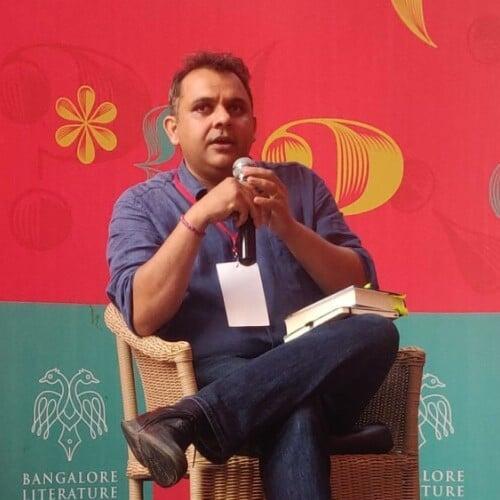
Ankur Bisen
Management Consultant & Author Urban thinker on sustainable waste

Dr Elena Fusar Poli
Anthropologist & Research Associate, UNISG

Dr Elena Corcione
Dr Elena Corcione
Research Fellow in
International Law, UNISG

Krishnan NS
Krishnan NS
Co-founder & Director
Yellow Bag Foundation

Paul D Souza
Inventor, Founder and CTO
Touchetech Labs

Valter Guiggi
Food & Beverage Specialist
Design sustainable food products

Dr Bianca Minotti
Dr Bianca Minotti
Researcher, UNISG
Focus on urban food systems

Sarika Inamdar
Sarika Inamdar
Technology Leader
Expert in user experience
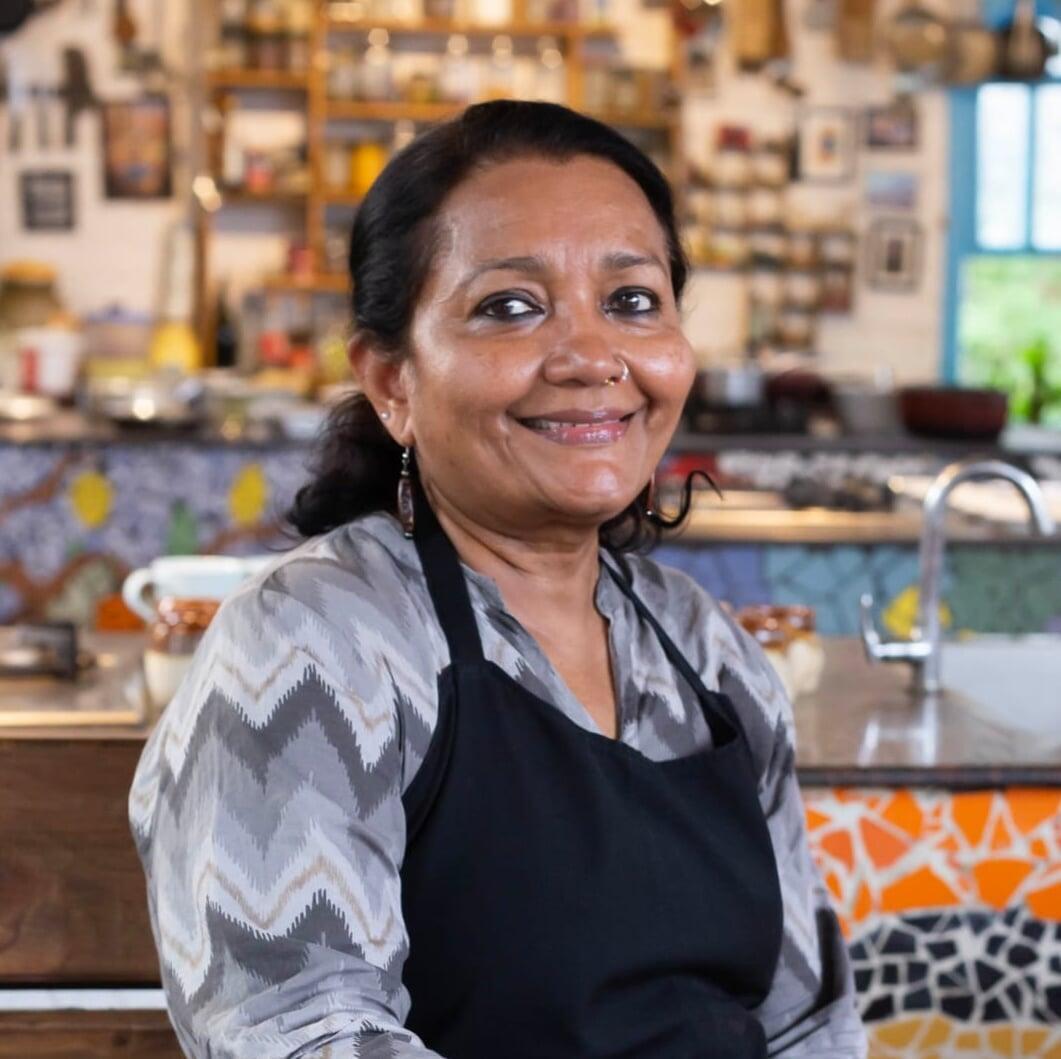
Priya Bala
Food Writer and Chef
Practices sustainability everyday

Dr Naji Sulaiman
Dr Naji Sulaiman
Asst Prof of Environmental and Applied Botany, UNISG
Glimpses of STHIRA Finale 2025