2026 Themes and Exploration Areas | Evaluation Criteria


Theme 1 : Improve access to nutrition
India faces a complex nutrition challenge. While food production is sufficient, access to nutritious and balanced diets remains uneven. A large proportion of women and children suffer from anaemia and widespread micronutrient deficiencies, reflecting gaps in dietary diversity and quality. At the same time, rapid urbanisation and changing lifestyles have increased reliance on affordable ultra-processed foods that are convenient but, often low in nutrients, resulting in a dual burden of undernutrition and poor quality diets.
This theme invites students to innovate for better nutrition, focusing on food consumption which is accessible, affordable and culturally relevant. Leverage technology, digital tools and community networks to improve access and awareness, while emphasising the value of traditional food wisdom, diverse local crops and culturally rooted diets.
Transformative food education is central to improve nutrition literacy, empowering individuals and communities to make informed choices.
Theme 2 : Revive indigenous and traditional ingredients and practices
Food indigeneity is the recognition of the relationship between food and the earth. Plants, grains, spices, methods that have sustained communities for generations embody heritage, ecological knowledge and biodiversity. They reflect centuries of adaptation to diverse landscapes.
Modern lifestyles and industrialised methods have led to their steady decline, replacing diverse food cultures with homogenous and processed alternatives. Native varieties and the knowledge systems that sustain them are increasingly lost, weakening ecological resilience. Reclaiming knowledge related to seasonal food rhythms, fermentation, preservation is necessary.
This theme invites you to engage through creative practice, using design, storytelling, ethical documentation and experimentation, to reintroduce these into everyday diets in accessible and meaningful ways. It calls for meaningful collaboration with communities, avoiding extraction or appropriation, to sustain traditional food knowledge within a resilient and sustainable food system.
Theme 3 : Strengthen local supply chains and food economies
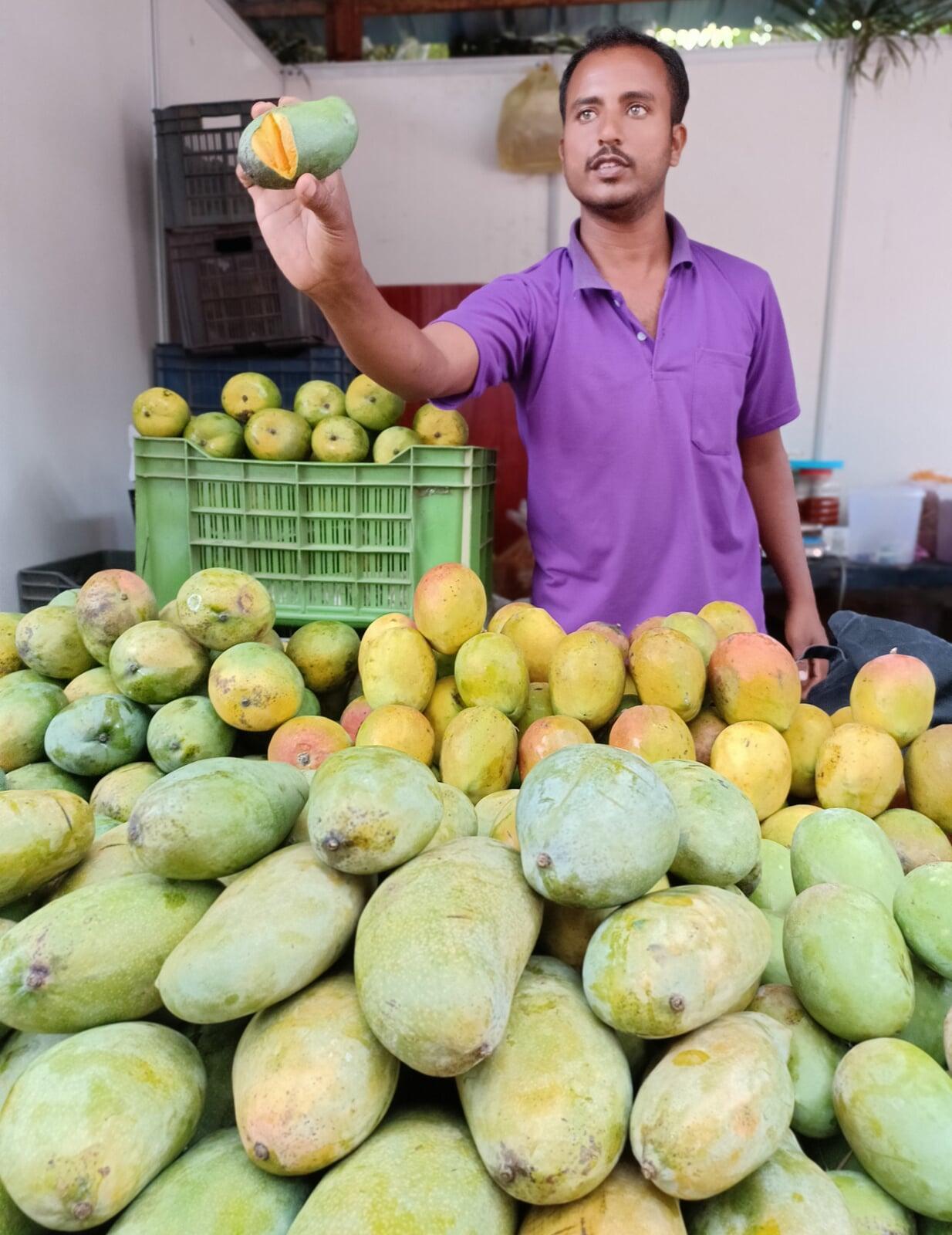
The food system relies on long, complex supply chains, often travelling vast distances, leaving smallholder farmers with a limited share of its final value while consumers remain disconnected from its origins.
A more localised food systems offers a powerful alternative - shorter supply chains enhance transparency, resilience and trust, enabling direct relationships between farmers and consumers while supporting fairer pricing and better livelihoods. It also supports more circular food economies, where food surplus and waste is repurposed into new value streams.
This theme challenges participants to build innovative frameworks in which consumers become active participants, strengthen support for local producers and build solutions which boost farmer incomes, reduce waste and make food more accessible, affordable and sustainable.
Theme 4 : Shape urban food futures
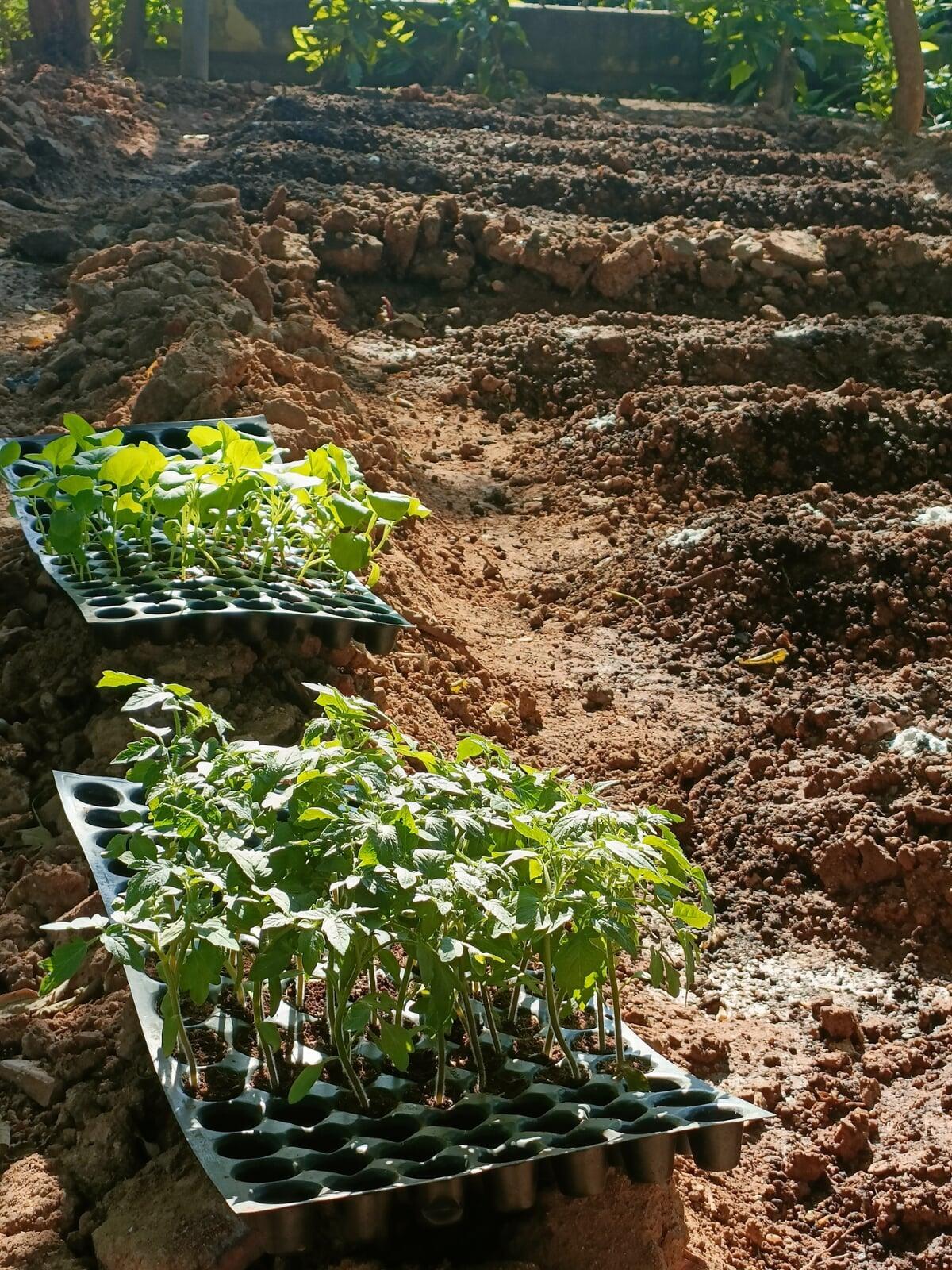
Urban food futures reimagine cities not just as consumers but, as productive ecosystems where food production, distribution and consumption are integrated into daily life. As cities expand, they face strained food networks, rising food deserts and dependence on long supply chains, while also offering opportunities to build more sustainable, localised systems.
Growth into peri-urban areas, where agricultural land still exists, often leads to shrinking farmlands despite increasing demand. These transitional zones hold strong potential for resilient local production but are frequently overlooked, widening the gap between cities and their food sources.
This theme envisions urban and peri-urban spaces as sites of food production and innovation. Underutilised areas like rooftops and vacant plots can become gardens, kitchens and neighbourhood food hubs, supported by approaches such as vertical farming or decentralised systems. By strengthening links between urban consumers and nearby producers, cities can become inclusive, resilient and sustainable food landscapes.
Exploration Areas
- How can people develop lifelong food habits to be healthy and prevent lifestyle diseases?
- How can the hospitality sector, develop practices to serve nutritious, seasonal, diverse food while remaining appealing?
- How can large institutions and businesses serve nutritious and balanced meals in canteens?
- What innovations can address micronutrient deficiencies such as iron deficiency, anaemia?
- How innovations can improve outreach and effectiveness of public nutrition programs?
Exploration Areas
How can culinary innovation make indigenous, traditional ingredients more accessible and desirable while remaining authentic?
How can traditional food knowledge be meaningfully integrated into modern supply chains?
How can food businesses revitalise traditional ingredients and practices for contemporary contexts?
How can creative practices be used to revive traditional food knowledge?
Exploration Areas
- What systems and experiences can directly connect farmers, producers and consumers for fair benefits?
- How can citizens (consumers) become active ambassadors for farmer-producer communities and sustainable food practices?
- How can small-scale producers participate in large scale institutionalised procurement and distribution?
- What strategies can enable better financial inclusion for small holder farmers?
Exploration Areas
- How can underutilised urban spaces such as rooftops, vacant plots, spaces under bridges etc, be reimagined as productive food landscapes ?
- How might architecture, landscape design and urban development embed food production into the built environment, fostering sustainability and community participation?
- How can creative practices and urban food experiences be reimagined to influence how people engage with food in cities?
- How can cities be designed to protect peri-urban agriculture and biodiversity, while the city expands?